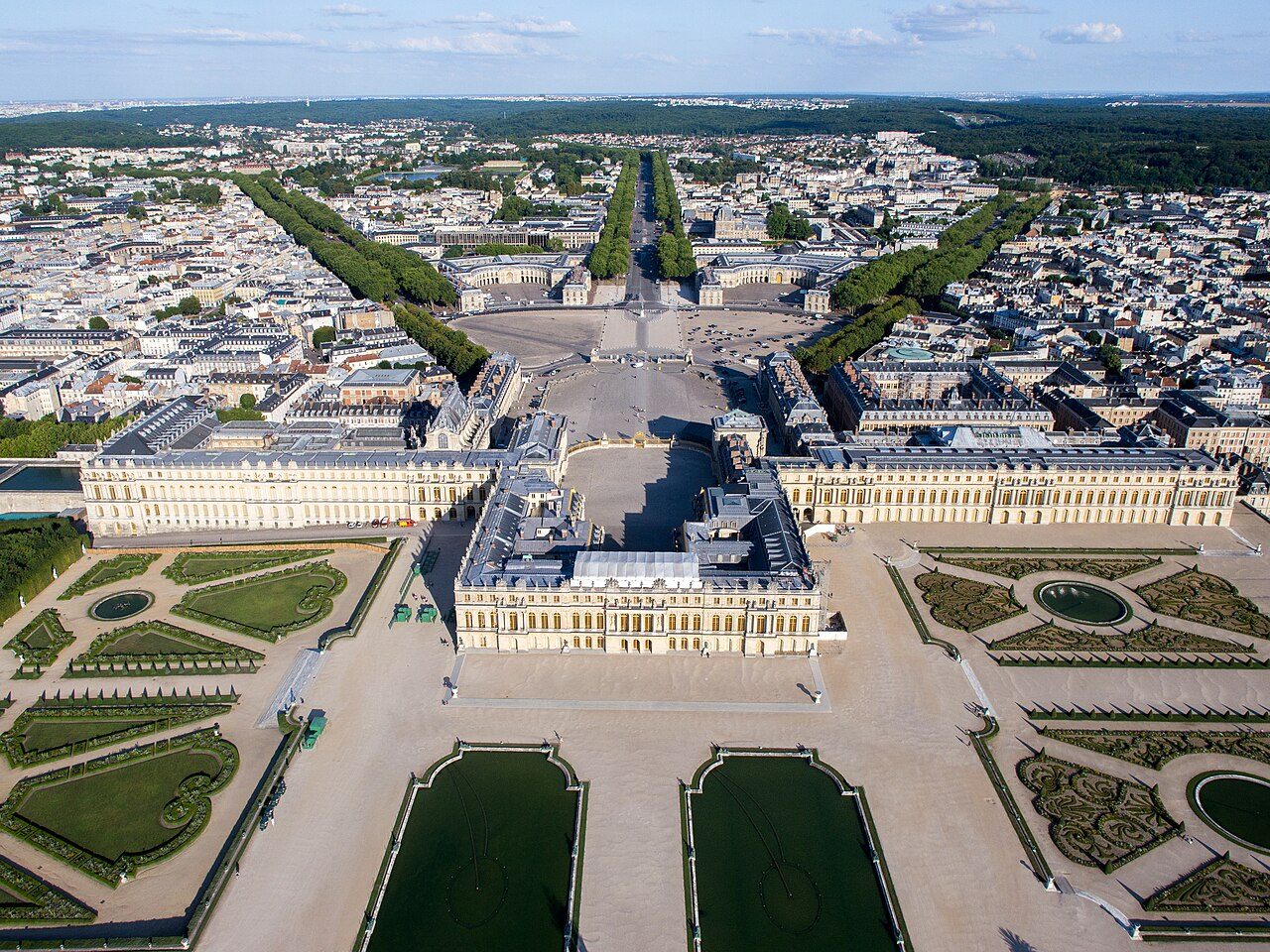
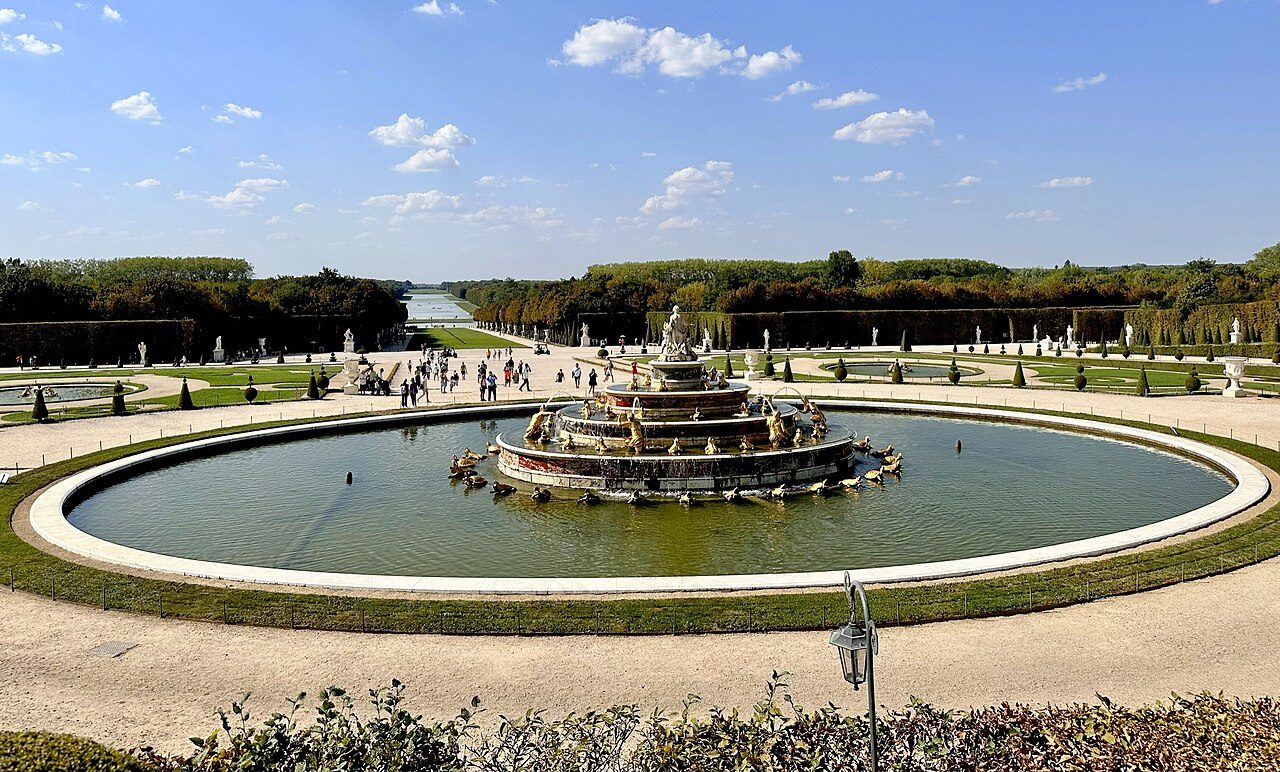
The gardens of Versailles are the definitive example of the French formal garden style — a rigorously geometric composition of parterres, basins, groves and axial vistas that André Le Nôtre laid out for Louis XIV between 1661 and 1687. They are not so much a garden as a diagram of absolute monarchy, in which every hedge, path and jet of water is subordinated to a single central axis that runs from the King's bedchamber, through the Palace, down the length of the gardens and out to infinity along the Grand Canal.
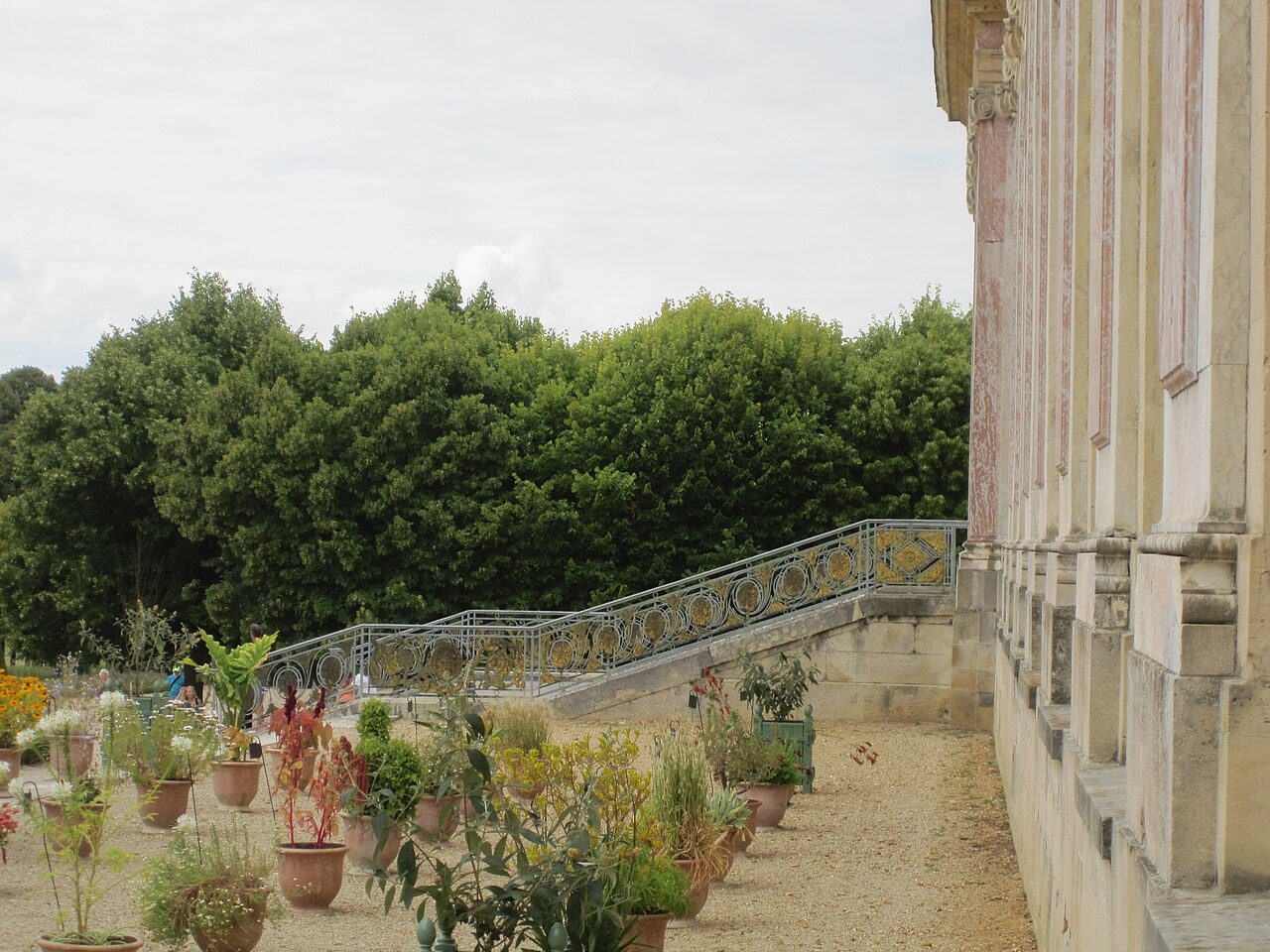
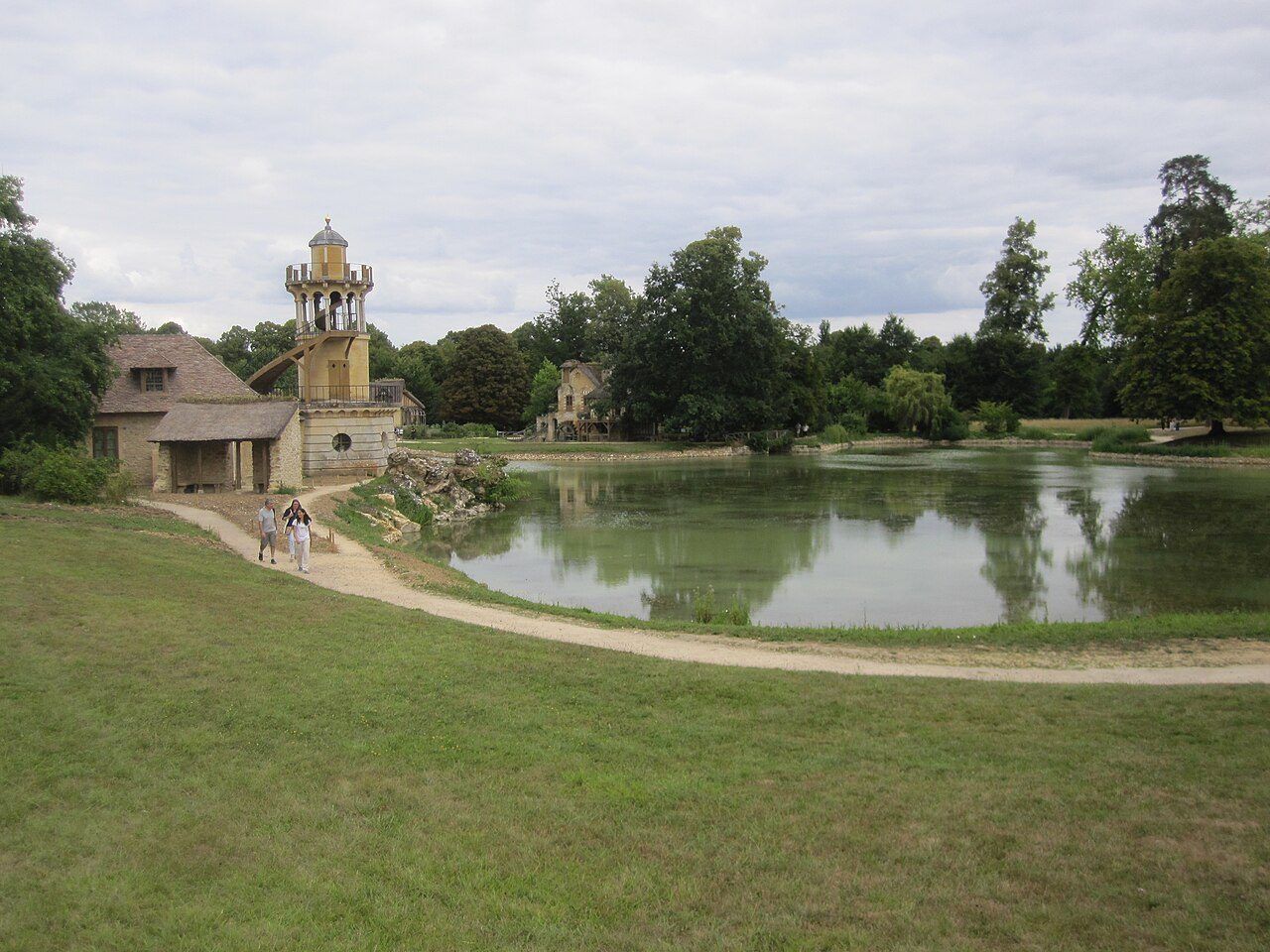
The domain is arranged in two clear parts. The formal gardens nearest the Palace — the parterres, the fountain basins and the bosquets (hidden grove-rooms) — cover about 100 hectares and are the setting for the Musical Fountains and Musical Gardens. Beyond them lie 700 hectares of the park proper, containing the Grand Canal, the woodland, and, at the far north-western corner, the Trianon Estate — Louis XIV's Grand Trianon, Louis XV's Petit Trianon and Marie-Antoinette's Hamlet.